Creative business
Maximizing ROI with Cheap Stock Imagery
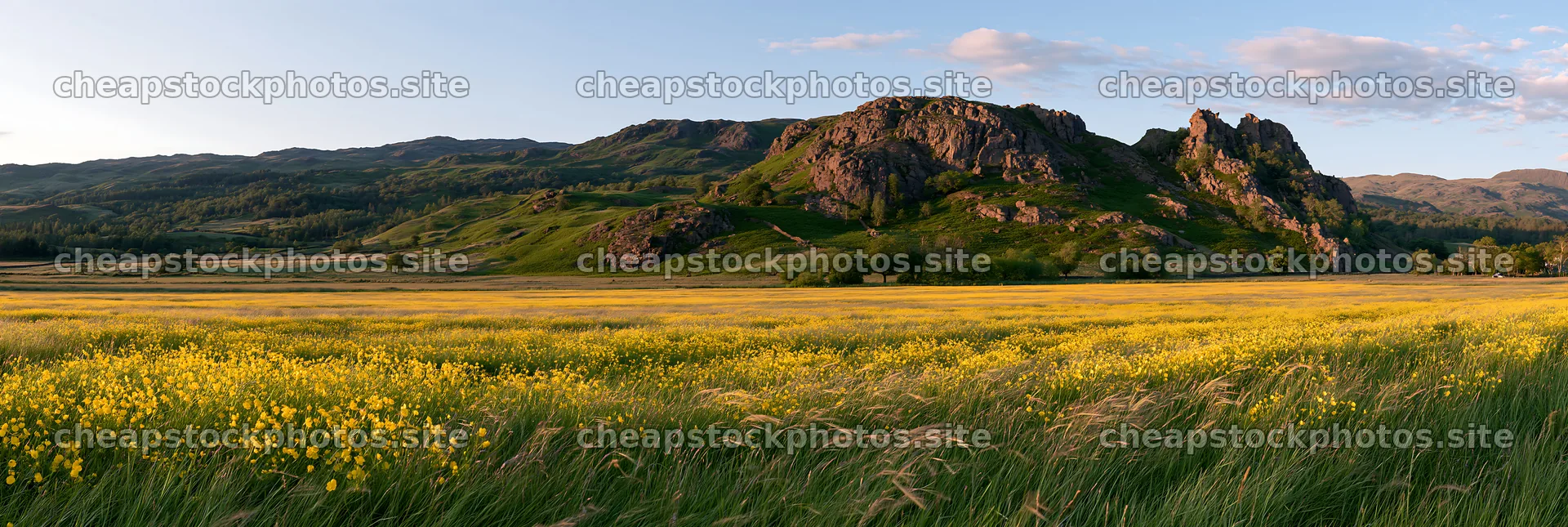
In 2026, Maximizing ROI with Cheap Stock Imagery is a practical, budget-friendly approach for designers who need impact without breaking the bank. Did you know that conversion rate benchmarks show high-quality product images can lift conversions by up to 33%? This is the kind of ROI we chase when we choose affordable stock imagery that looks premium and performs at scale.
Key Takeaways
| What it means for your ROI | How to apply |
|---|---|
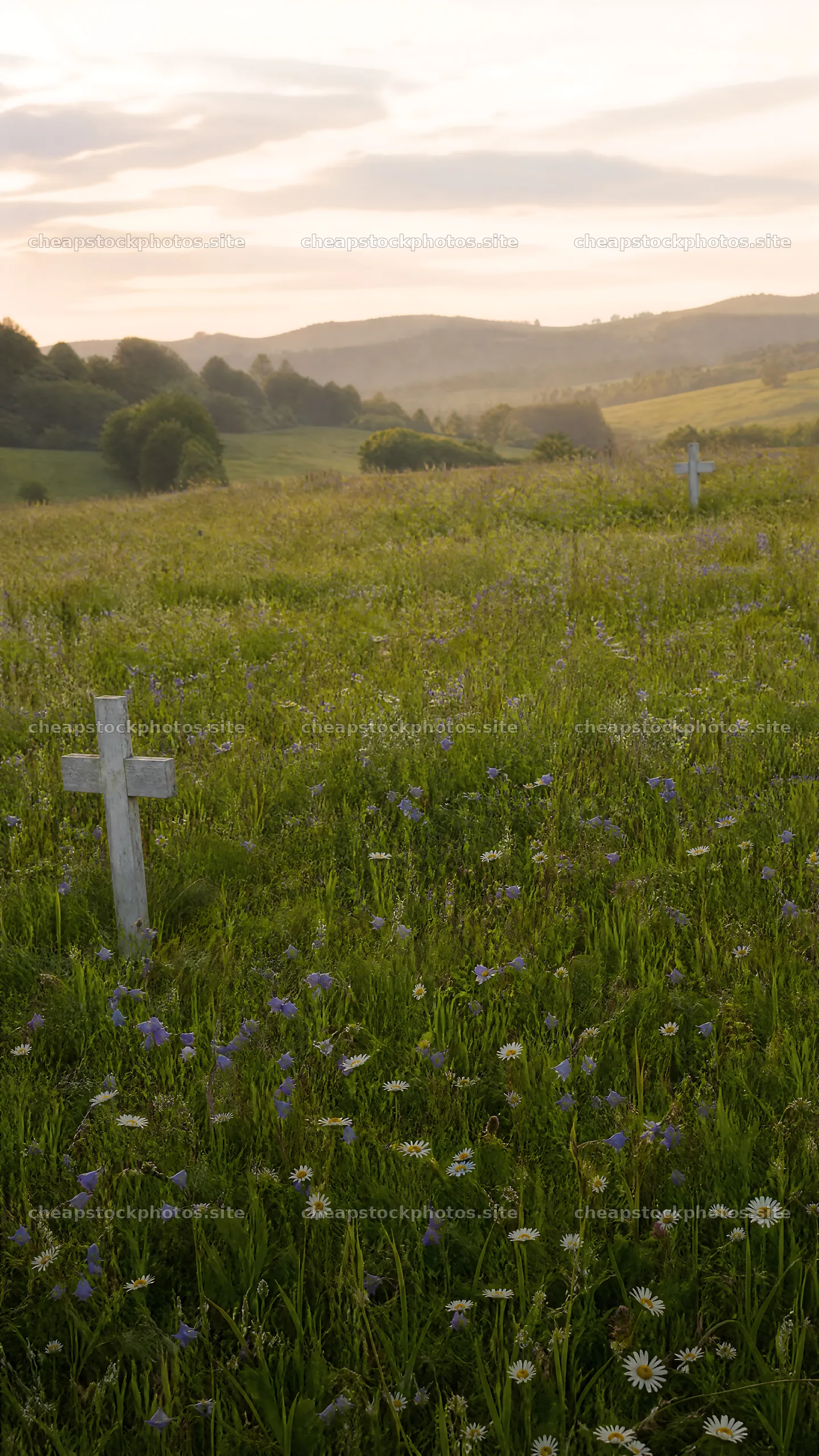
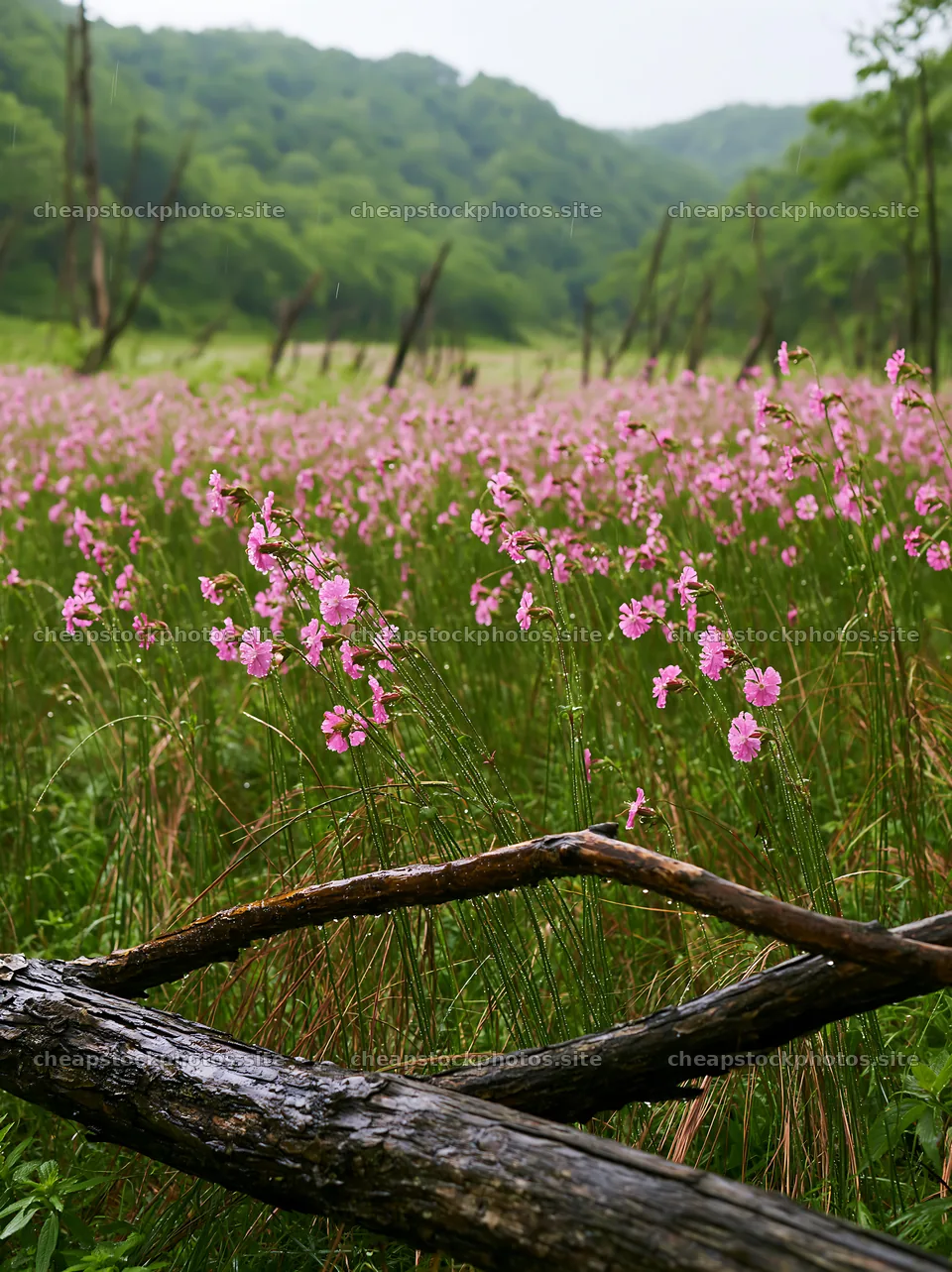
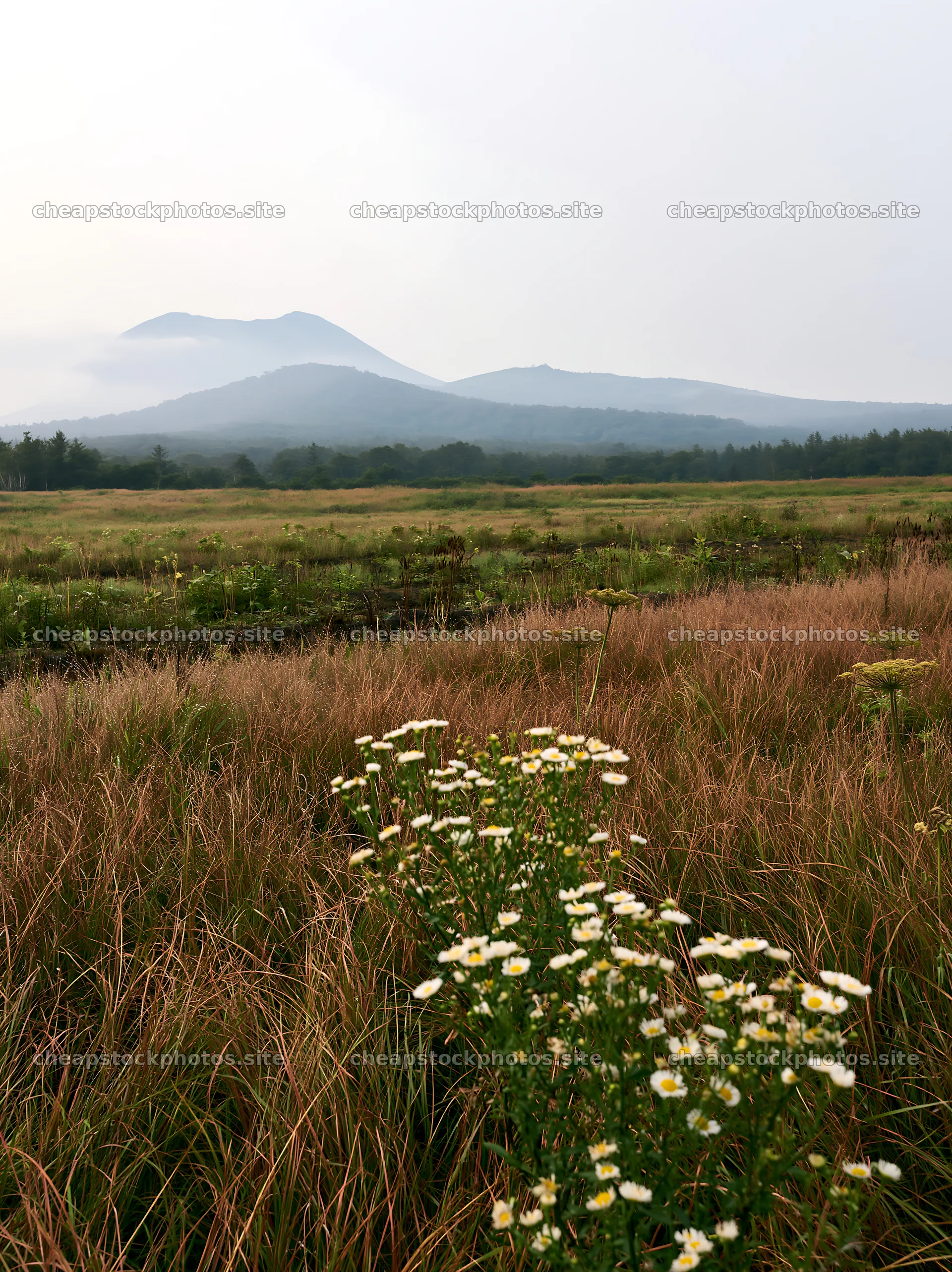
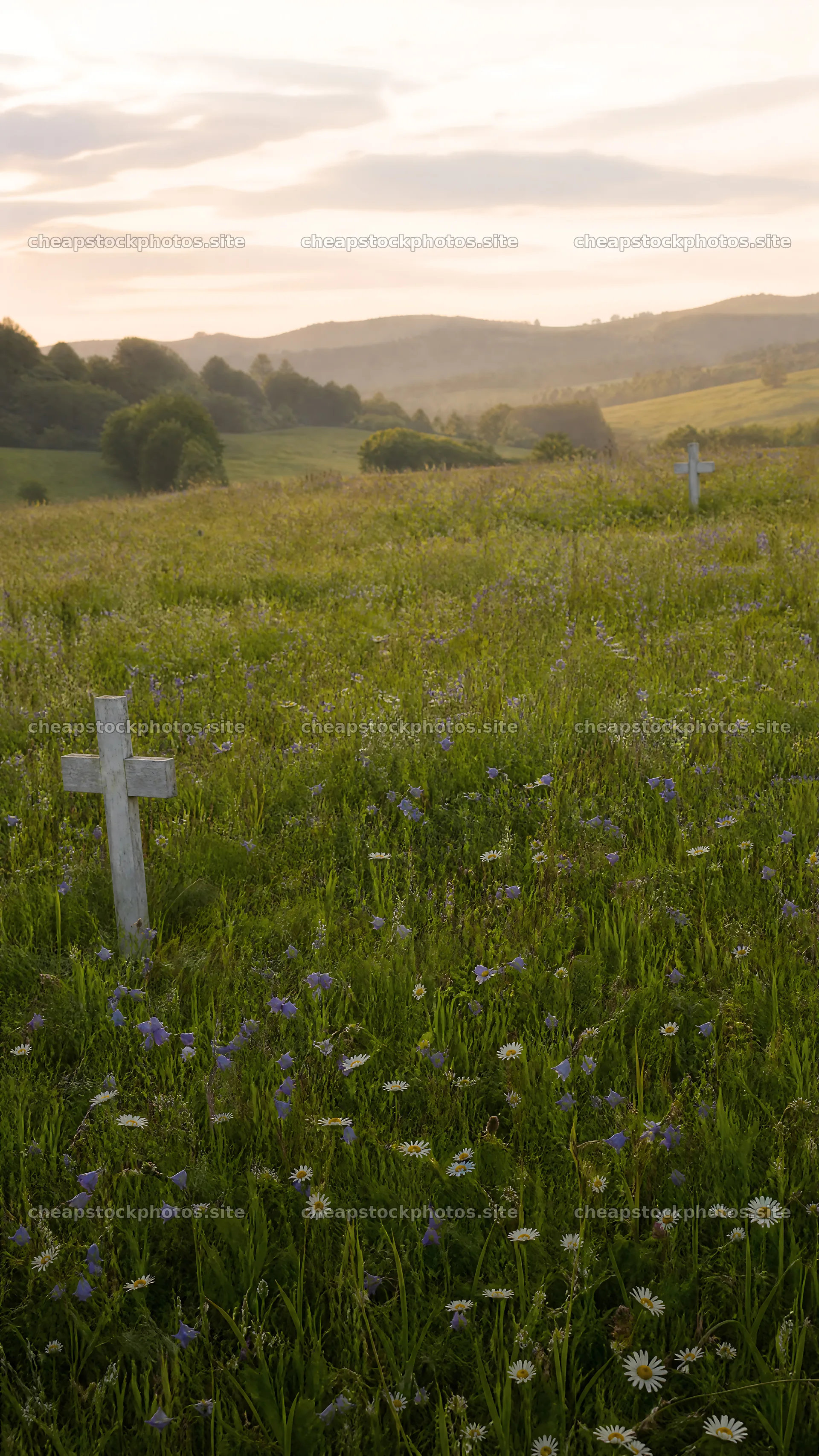
| Mix 5-8 images per product to cover angles, close-ups and lifestyle context. | Build a small image kit from our affordable collections like Christian crosses on rolling meadow and Expansive Hokkaido restoration meadow. |
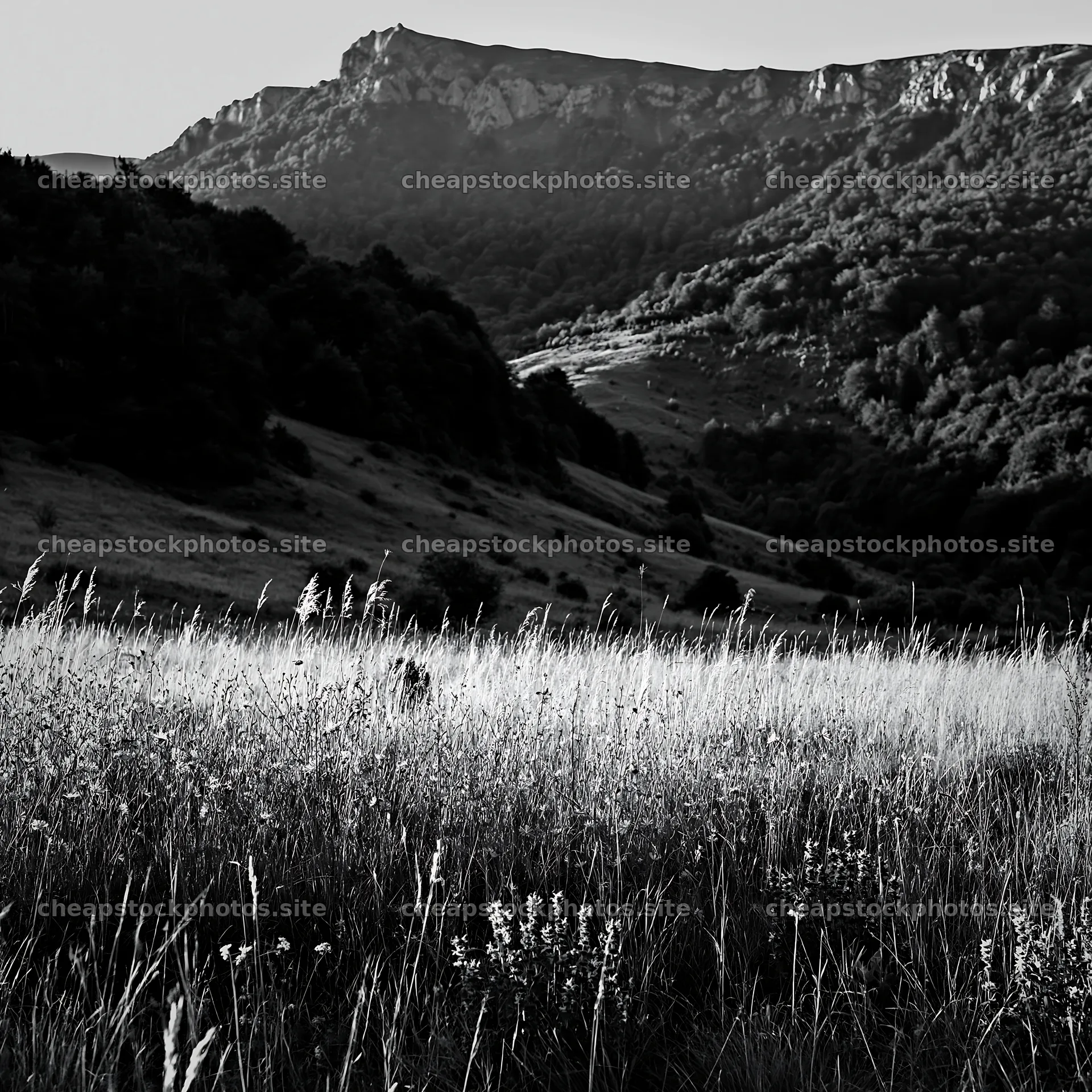
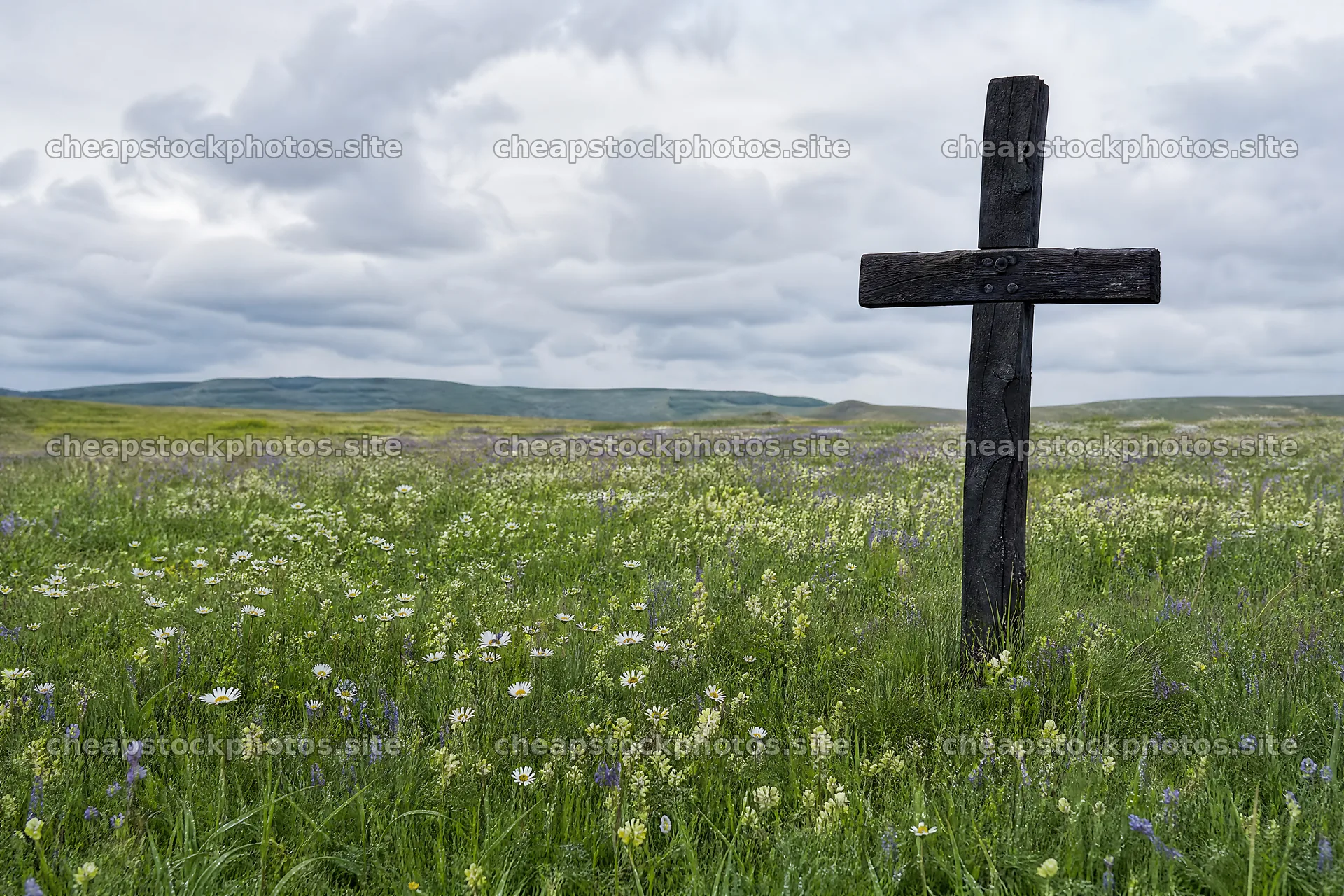
| Multi-angle and lifestyle images lift engagement and reduce returns. | Incorporate a mix of premium 8K textures for large formats where budget allows. See Rustic Christian cross in spring meadow or Meadow beneath crags. |
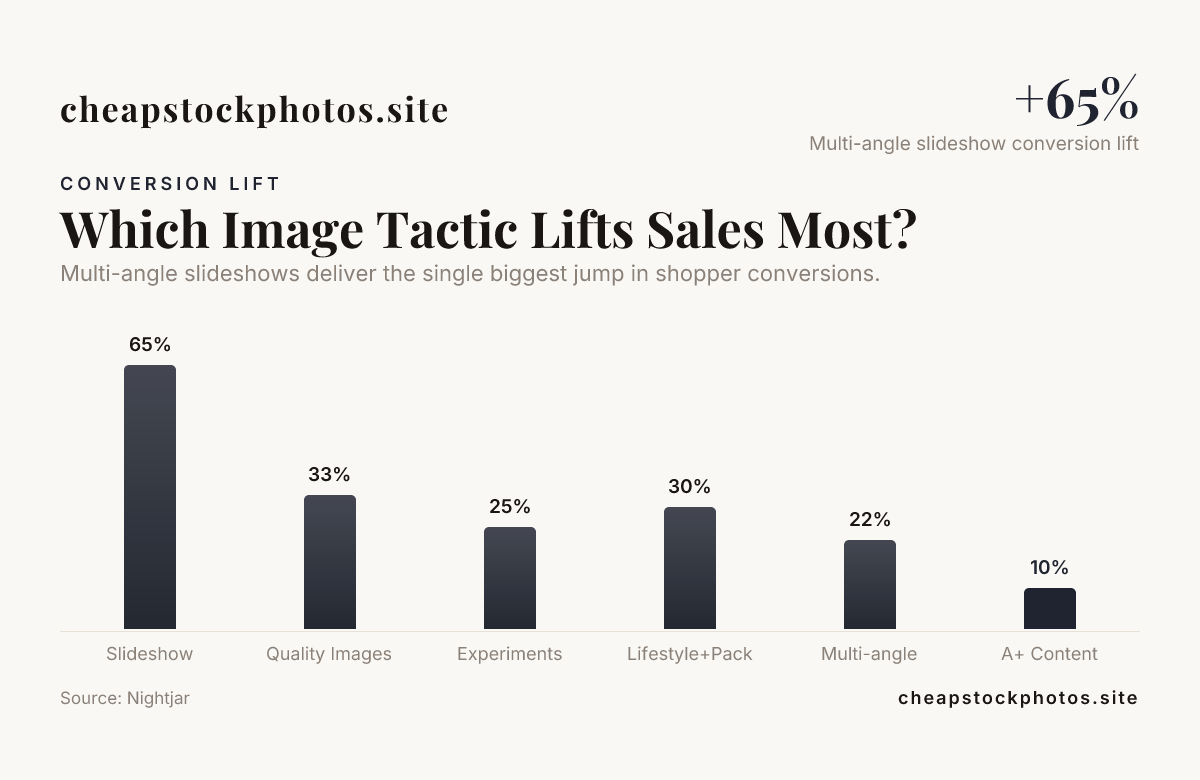
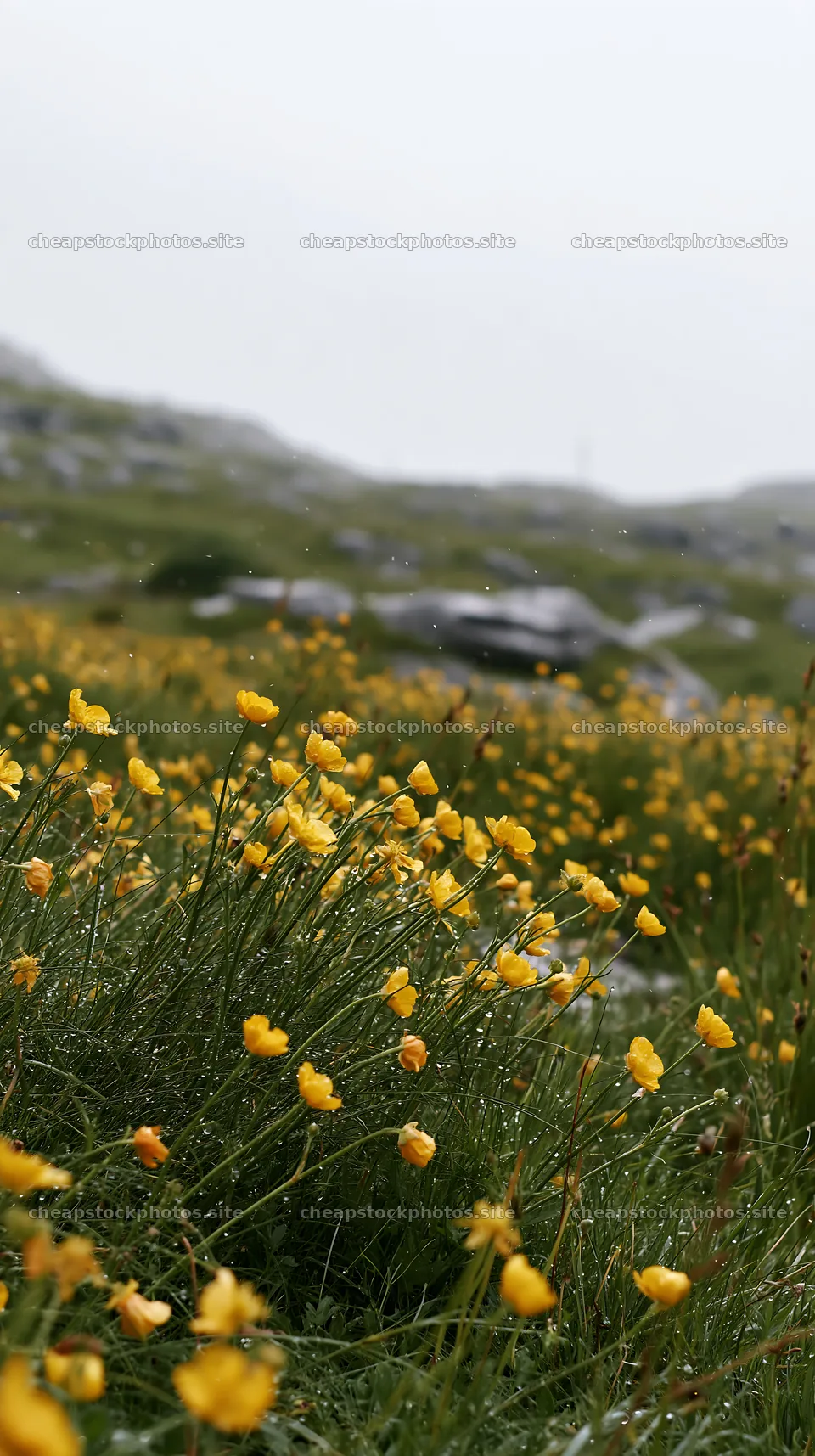
| High-quality imagery boosts conversions even when you pair it with simple copy. | Use a balanced mix of free and paid images from our collection to scale campaigns quickly. Explore Meadow with knapweed. |
| Low-cost options can still be premium with the right licensing. | Choose the license tier that matches your project scope. See Simple stock photos license for quick decisions. |
| Large-format print planning benefits from DPI and viewing-distance guidance. | Consult our DPI vs viewing-distance chart to plan output at different sizes. See our resource page for details. |
Below is a practical guide to help you decide what to buy, how to deploy it, and how to measure impact over time. We focus on images that align with our brand, our licensing terms, and the realities of modern print and digital media in 2026.
Why Maximizing ROI with Cheap Stock Imagery matters in 2026
We design with a bias toward practical, production-ready visuals. Cheap stock imagery lets us cover more ground without sacrificing tone or texture. In 2026 the market has plenty of affordable options that still look premium when used with care.
Our approach centers on a few core ideas: 1) accessible pricing that scales with project scope, 2) licensing that supports both small campaigns and large, ongoing programs, and 3) a library of 8K textures and edge-verified images that stay sharp at large sizes. The result is ROI you can measure in conversions, returns, and consistency across channels.
Licensing and pricing: Free, Standard, Premium and ROI
Licensing matters as much as the image itself. Our catalog includes Free, Standard, and Premium tiers designed to fit different production needs and budgets. Free collections are great for quick mockups and internal exploration, while Standard and Premium unlock deeper usage in client work, packaging, and large-format prints.
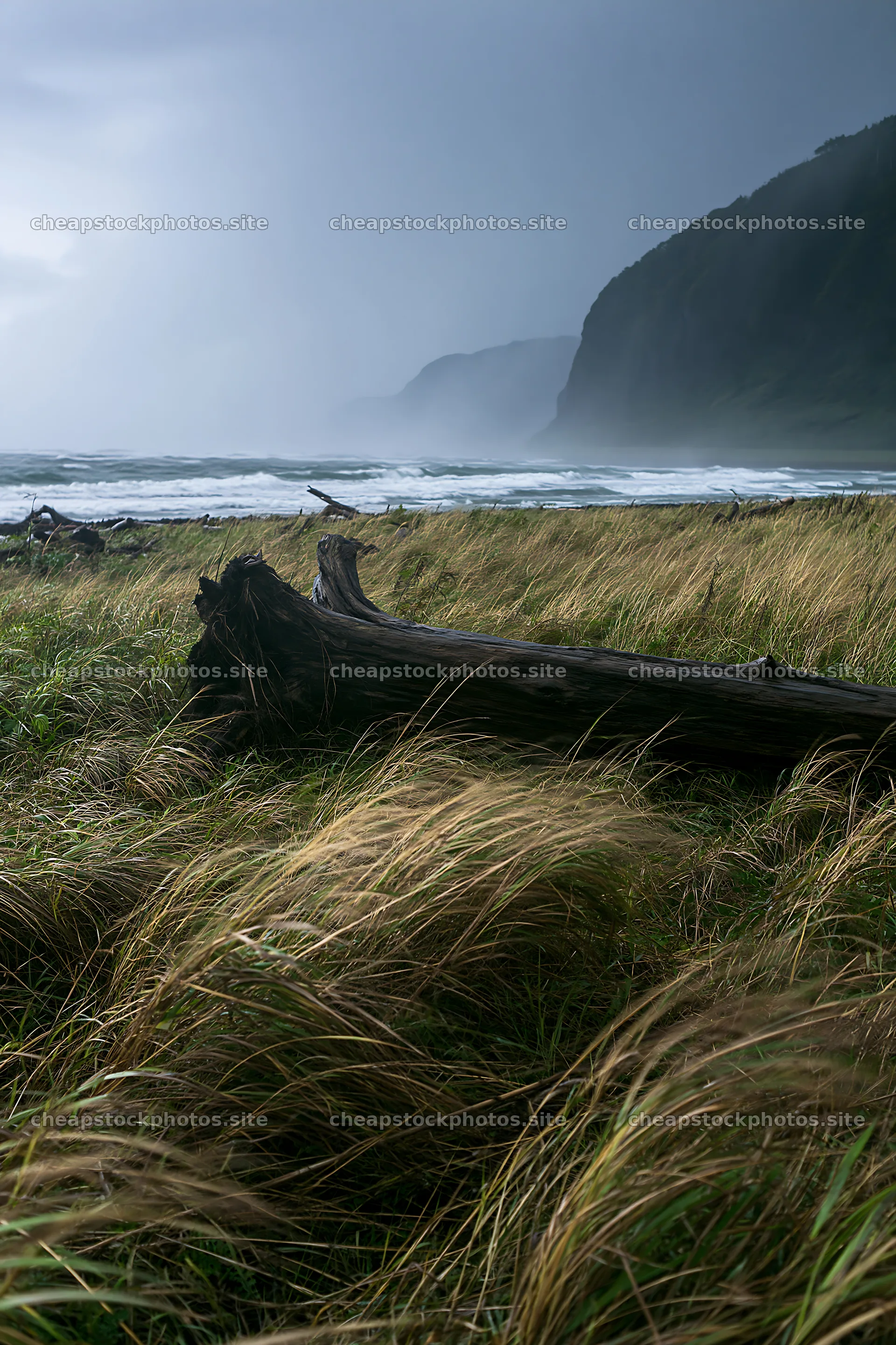
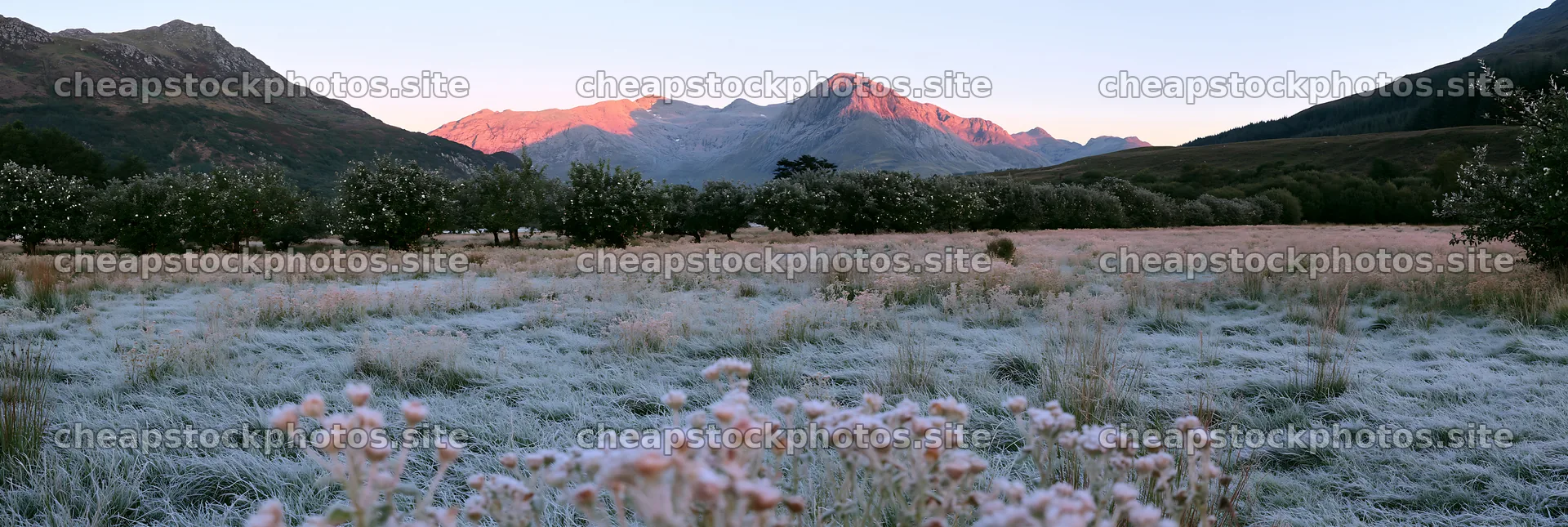
For example, you can start with Free collection images like Meadow with knapweed and gradually move toward Standard collections such as Cottongrass meadow glow for wide-format prints. When your campaign demands the highest fidelity, Premium options like Expansive Hokkaido restoration meadow deliver edge-verified 8K textures that print beautifully at scale.
Pricing examples from our catalog illustrate the difference clearly. A typical small image from the Free tier costs nothing, while Premium 8K textures come with a Commercial license and are suitable for multi-project use. See free, standard, and premium pages to compare pricing and licensing terms side by side.
In practice, ROI comes from choosing the right tier for the job. For social, blog, and web usage, Free and Standard often suffice. For large-format campaigns, product catalogs, or branded packaging, Premium can be worth the investment due to its higher texture fidelity and licensing flexibility.
Choosing images that convert: multi-angle, lifestyle, and 8K textures
Selecting images is a planning exercise, not a guess. Our collection is built around three pillars: multi-angle capability, lifestyle context, and texture depth. These pillars align with how audiences engage visuals across devices and print formats in 2026.
Multi-angle and rhythmically varied imagery helps you tell a product story without words. For instance, the series around Christian crosses in meadow themes demonstrates how a consistent set of angles, from wide landscapes to close-ups, can sustain a narrative across ads, social, and packaging.
Lifestyle context is your bridge between product function and human use. A meadow scene with crosses or flowers provides emotional resonance that simple packshots struggle to achieve. The visual cues should be consistent with your branding while remaining adaptable for editorial or marketing needs.
Texture depth matters when you plan large prints or textiles. Our 8K textures are designed for seamless tiling and edge verification, ensuring clean results at scale. The High-resolution Photos marketplace framing supports textures tiled across large installations, from wall murals to fabric applications.
Practical layout and DPI planning for print and digital
Print and display quality hinge on resolution and viewing distance. Our Master Reference Chart offers a practical, designer-friendly reference for determining the appropriate resolution (DPI/PPI) as viewing distance changes. This guidance aligns with the realities of print, textiles and packaging in 2026.
Key notes from the DPI chart include: close-up viewing (under 2 ft / 0.6 m) typically calls for about 300 DPI, while outdoor signage viewed from farther away can be acceptable at much lower DPIs, such as 1575 DPI depending on size and distance. Use this guidance to plan output for each project stage, from social posts to large wall graphics.
When you pair this technical planning with our stock imagery approach, you gain predictable results. It becomes easier to scale campaigns across formatsfrom billboards to banners to merchwithout juggling different image sources or licensing constraints.
Building your affordable image kit: 5-8 images per product
The sweet spot for many campaigns is 5-8 images per product. This range supports angles, close-ups, and lifestyle context while keeping production costs reasonable. In 2026 a balanced image kit can drive stronger engagement and fewer returns when used across channels.
To illustrate, our catalog includes varied options for meadow and nature themes. For a product like Christian crosses around geothermal spring meadow, you can pull several views from the same shooting script, then recolor or crop to fit different layouts without purchasing new assets.
Consider starting with a few core images from the Standard collection and layering in 12 Premium textures for high-visibility placements. If you are launching a broad campaign, add 23 Free or Standard images to cover social and blog uses, then upgrade strategically for print or packaging where the higher resolution pays off.
Real-world ROI signals and practical usage
We see strong ROI signals when we align image choices with campaign goals. A 2026 approach favors mixed imagery that combines mood, texture and product detail. The result is a workflow where low-cost images are deployed strategically, while premium assets are reserved for high-impact placements.
The data behind image tactics shows that 360-degree and multi-angle images can boost conversions by 22% and multi-angle portfolios have lifted conversions on various marketplaces. While the exact uplift varies by category, the pattern is clear: diverse imagery reduces friction and accelerates engagement across touchpoints.
Cost-conscious planning: DPI, resolution, and print considerations
We plan for the full lifecycle of assets, from screen to print. DPI and PPI are not abstract concepts, they guide decisions about when to use 300 DPI for print magazines and when 75150 DPI is acceptable for large banners viewed from a distance. Our DPI resources help you scale outputs without guessing.
For textiles and wall installations, 8K textures offer the fidelity needed to avoid visible tiling or pixelation. The 8K textures are designed to tile cleanly, making them ideal for fabrics and wall murals where budget-conscious choices still matter for the final result.
Cost vs value: ROI calculations for stock imagery in 2026
We benchmark ROI by considering per-image cost, license scope, and downstream impacts on conversions and returns. A typical studio quote for custom imagery may run higher than the per-image price of our stock options, but the value shows up when an image set supports a complete campaign and reduces the need for re-shoots or rework.
When you assemble a kit with Free, Standard and Premium assets, you can tailor your approach to each channel. Use Free images for internal concepts, Standard images for social and websites, and Premium textures for high-visibility print and packaging. The combination yields a scalable approach that respects budget while maintaining brand integrity.
Frequently used image themes in our catalog
Across our catalog you will find meadow themes, crosses in meadow, and nature-forward scenes that align with calm, pastoral aesthetics. From Christian crosses in a meadow under sunrise to vibrant meadow borders near woodland, these images fit editorial and commercial use in 2026. Explore individual product pages to see the full set of images and licenses available for each theme.
Conclusion
In 2026, Maximizing ROI with Cheap Stock Imagery is about strategic image selection, thoughtful licensing, and disciplined planning. By combining free, standard, and premium assets, we achieve a scalable approach that respects budgets while delivering consistent, high-quality visuals across campaigns. The goal is to grow engagement and conversions without sacrificing brand quality or breaking the bank.
Frequently Asked Questions
Is Maximizing ROI with Cheap Stock Imagery feasible for small teams in 2026?
Yes. With a mix of Free and Standard assets for everyday use and selective Premium textures for high-impact placements, small teams can build effective campaigns that look premium and perform well.
How many stock images per product should I use to maximize ROI?
The best practice is typically 5-8 images per product, covering angles, close-ups and lifestyle contexts. This approach supports diverse layouts while staying cost-efficient.
Are 8K textures worth the extra cost for all projects?
Not for every project. Reserve 8K textures for large-format prints, textiles or premium campaigns where print fidelity matters most and the license supports scalable use.
Can free stock images deliver professional branding?
Free stock imagery can work for initial concepts or internal previews, but for client work or branded campaigns you may want Standard or Premium assets to ensure consistency and print quality.
What licensing should I choose if I plan to print large-format materials?
For large-format print, Premium licensing often makes sense because it offers 8K textures and a license scope suitable for broader usage across campaigns and media.
How can I ensure image quality remains high when using cheap stock imagery?
Plan around DPI and viewing distance, test print small samples, and prefer edge-verified 8K textures for large formats to avoid pixelation and tiling issues.
Are AI-assisted images with no real people or places a licensing concern?
Our license explicitly notes that AI-assisted images depicted are not real people or places, and they are designed to be used in editorial and commercial contexts within the license terms.